

Seeking to hold your nuptials in Spain? Then look no further than Alicante for your dream destination wedding. Located in the southeastern corner of Spain, this region offers couples the perfect setting to transform their formal wedding into a long afternoon of celebration. The color of the sea changes from turquoise to deep blue depending on the time of day. Inland from the coast, rocky cliffs, soft beaches, and quaint white villages stay warmly lit after the wedding celebrations wind down. Compared to other parts of Spain, such as Barcelona and Mallorca, Alicante offers couples more space. The roads open between hills and coves reveal themselves without warning. The setting up high offers couples an ideal view of the properties that stay lit into the evening. Couples seeking some privacy and leisure rather than spectacle can find it here. The atmosphere is perfect for days to unfold in their own time rather than rushing through the activities. Alicante is a town that draws people from around the world to visit and celebrate. It does not seek to impress the onlookers with its architecture or design. Simply being present in Alicante for couples and honeymooners is enough. If you are dreaming of a wedding in Spain with a relaxed and scenic setting, then Alicante might be the perfect destination for you and your partner.
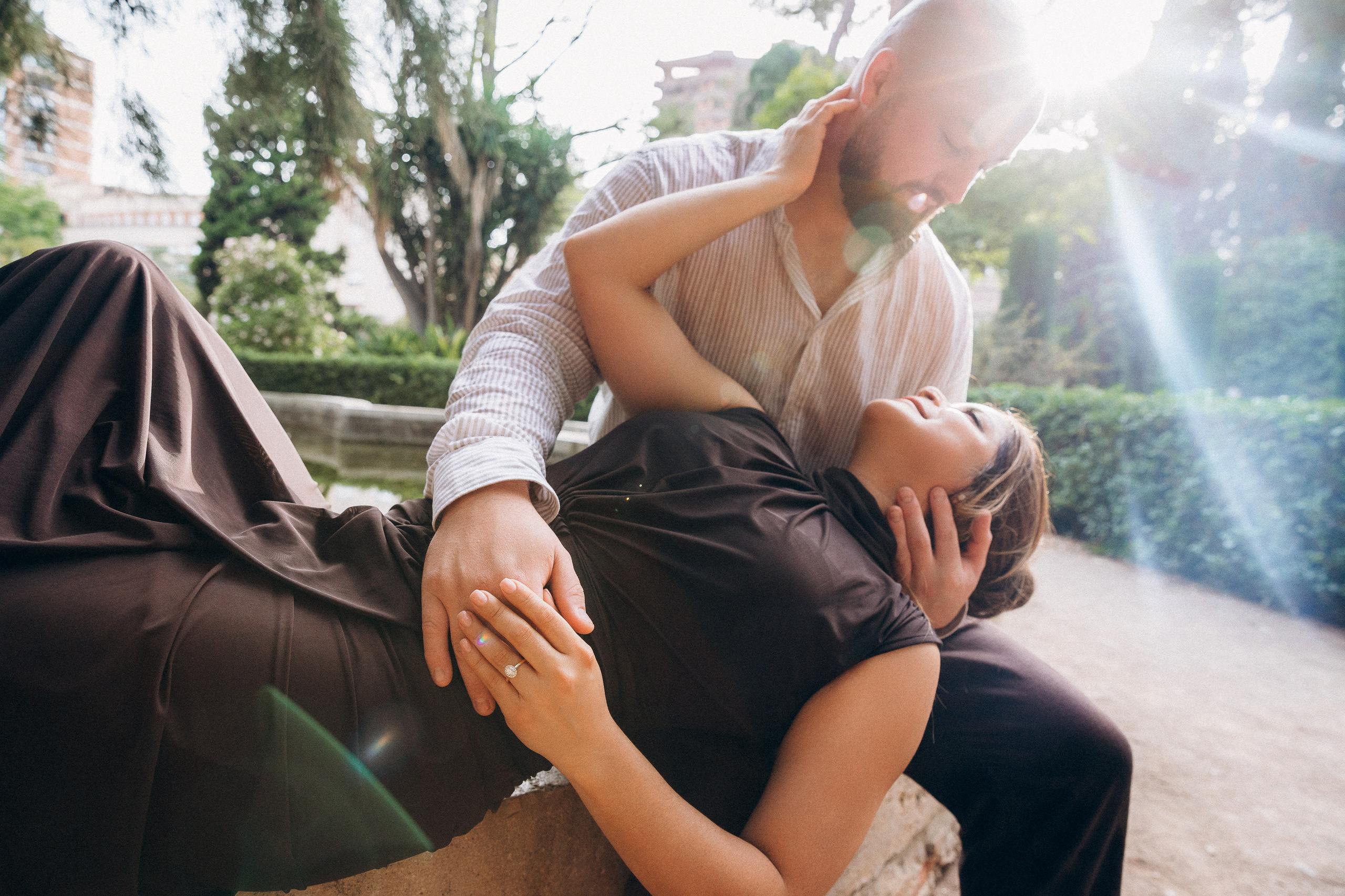
Why Choose Alicante & Costa Blanca for a Destination Wedding
Stunning Coastal Landscapes
Costa Blanca works through contrast. Some areas feature cliffs dropping into the deep blue waters, while others have long, quiet beaches with small coves that have clear water and little development.
The area around Moraira has some of the best views of the cliffs along this coast. However, driving for a short distance takes you to the beach. On the wedding day, events will take place in two completely different locations within a short distance from each other.
White Villages And Mediterranean Charm
Then there are the towns: Altea, Jávea, and Dénia. Whitewashed buildings catch the sun in gentle brightness. Narrow streets lead to small plazas. Nothing overly polished about these towns; their imperfections provide character.
Altea is one of the towns that stand out. The old town occupies a hill and features a blue-domed church perched atop the hill. The streets are cobblestone, and every few steps in one direction provide views of the sea from the whitewashed buildings framing the view. Naturally romantic without trying to impress the tourists with too much romantic effort.
More Private and Less Touristy Than Major Cities
Space is one of the main reasons that couples choose this area for their wedding ceremony. Even during the height of tourism season, there are some of the quieter spots along the coast that are easy to find and enjoy without too many crowds along the beach or wedding venues competing with the tourism industry in the area. One couple that I photographed for their wedding in July was concerned about crowds for the same reason.
One of the coves near Jávea in the early morning was nearly all to themselves, with only a few other swimmers and the wedding party. This type of peace and quiet can be more challenging to find in some of the larger cities in the area.
Ideal For Elopements and Intimate Weddings
The region is better for smaller guest lists. Villas, fincas, boutique hotels, they all cater to smaller gatherings. Even for those who have larger weddings, these locations provide the room to move around and be a part of the celebration. Open-air spaces allow guests to breathe and enjoy their special day. I’ve shot weddings for lists of twelve and eighty. Both numbers work. The smaller weddings feel like dinner with the closest of family. The larger weddings have the benefit of multiple locations, which allows the guests to mingle without feeling forced to remain with their fellow guests for the entire event.
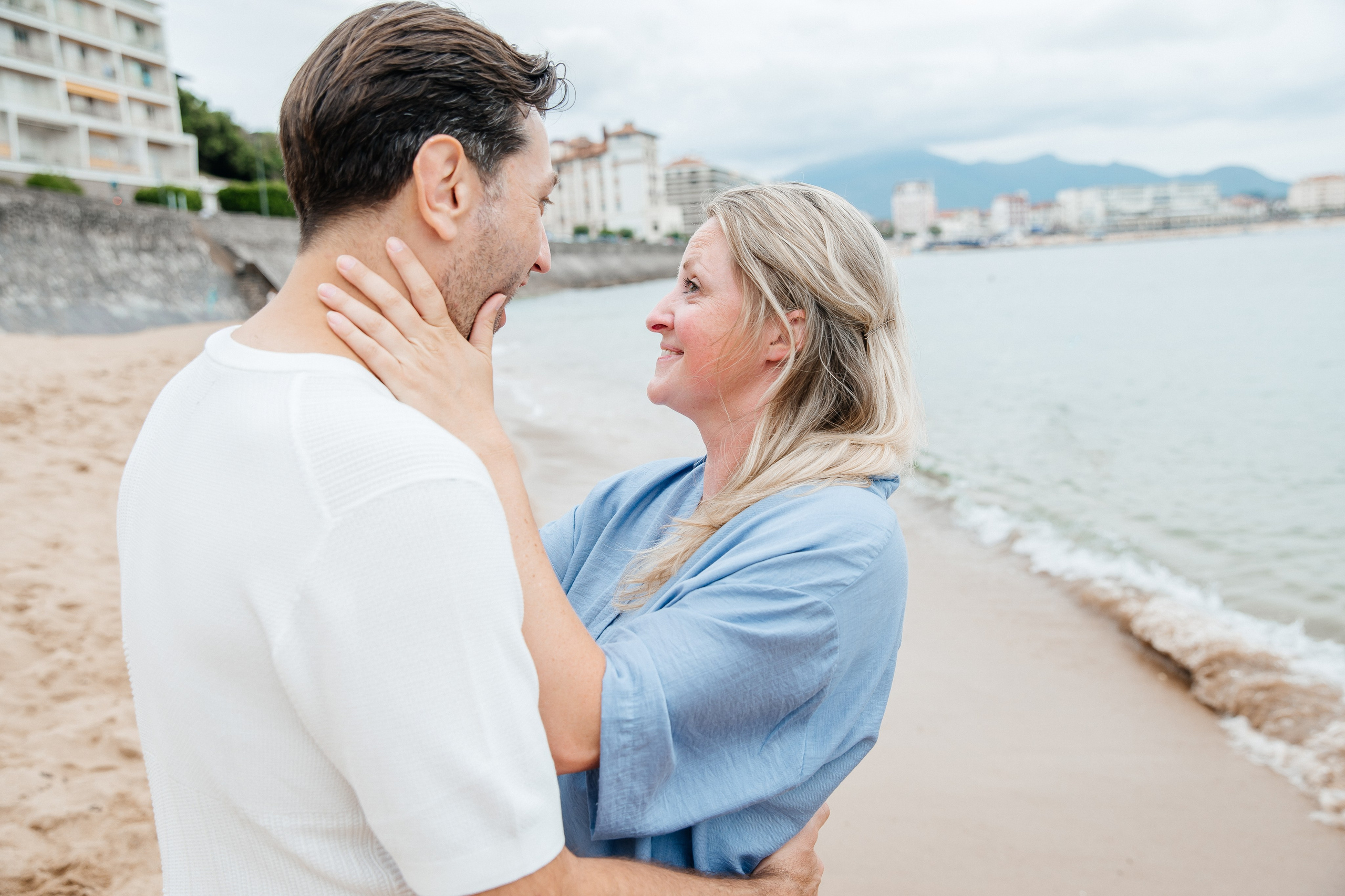
Best Wedding Locations in Alicante & Costa Blanca
The real strength of Costa Blanca is not one single venue. It is the variety. Each place offers something different. You won’t be treated to the same look throughout the day.
Coastal Beaches and Coves
There are several beaches with clear water and soft sand along the coast between Jávea and Dénia. Most of these coves are private and not easily visited by tourists during the height of summer, making them best for medium to large-sized weddings.
Cala Granadella is one of the smaller beaches located near Jávea. It features a small pebble beach with turquoise waters and cliffs on both sides. This spot is very well known by tourists but feels secret, and is ideal for elopements. The sun hits the water at an angle that enhances and makes all colors glow, ideal for quality photographs.
The wind in this area can be calm or rough. On some days, it is so calm that tourists can hardly hear it. At other times, it is strong enough to knock over the ceremony arches into the sea. I have seen this happen. There are flowers all over the beach when the wind is particularly strong. It is worth noting that tourists should have a backup plan for their wedding at Cala Granadella since the weather can change quickly.
Clifftop Viewpoints
Here, the sun hits the area differently during the late afternoon and sunset hours. I once photographed a wedding near Altea in October. The couple got married before sunset. The location choice provided the best lighting for the wedding ceremony. During golden hour, light traced their shoulders while the Mediterranean shifted orange to pink behind them.
Moraira’s clifftop views did the work. I barely directed anything. The wind is the main factor when choosing locations for weddings. The wind has an effect on the attire the guests have to wear for the wedding, as well as the way the bride’s dress and veil will look. It is always ensured to enhance the photographs taken at the location. However, it can sometimes become a distraction. This location is better suited for elopements and smaller weddings due to the terrain.
Charming Villages and Old Towns
Altea’s old town has a certain feel to it. The blue domes above the streets and buildings contrast with the flashing sea between them. Altea has that authentic feel that makes it ideal for smaller weddings. Jávea’s historic center has a slightly different feel to it. There is more shade in the historic center, and the light from the sun shines in different ways upon the buildings.
The time of day in Jávea makes all the difference. The old town seems to come alive in the afternoon when the light between the buildings highlights the white buildings. At noon, the light is harsher, and the buildings flatten out on the landscape. In the middle of the day, when the town is at its most popular with tourists, there is no depth to the historic center.
Private Villas and Fincas
The villas all focus on the idea of staying in one location for the entire visit. The terrace, pool, and garden areas all connect and allow the guest to enjoy their days without having to move between locations. One villa near Dénia has a stone table under a pergola loaded with bougainvillea, where dinner was enjoyed past midnight. There is a certain feeling to some of these villas that you cannot quite explain.
The inland fincas have a more rustic feel. There are olive trees on every turn and the surrounding mountains. These farms are built for long weekends with friends.
Being a wedding photographer across Spain, I have watched how the light that falls on these locations plays a significant role in capturing the magic of the day. Coastal locations are challenged by the wind and the way the sun reflects off the water. However, villages have a more flattering light due to the narrow streets.
The inland fincas capture the golden hour for a longer period of time. Timing makes the difference between a location feeling flat or cinematic. It is not always about the location, but how and when the guests experience the location.
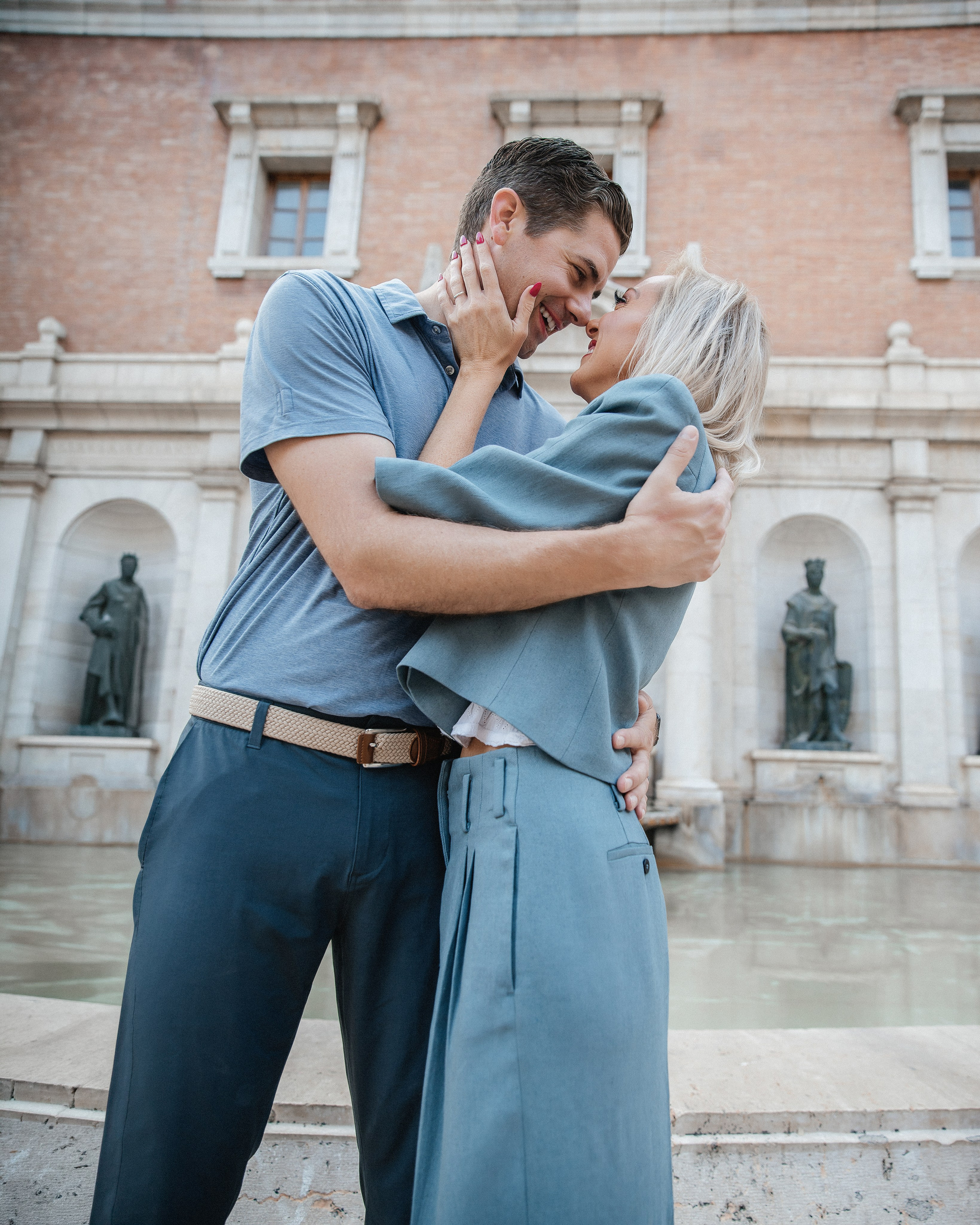
Best Time of Year for a Wedding on the Costa Blanca
Spring
Spring is not very predictable, but finds its balance in terms of weather and light. The temperatures are between 18 and 25 degrees, with the majority of the land appearing fresh and green, with no summer heat yet. The lighting during the spring is conducive to photography. Golden hour falls between 7 pm and 8:30 pm, depending on the month. Coastal vegetation tends to peak around this time of year, with softer colors that do not dominate the landscape. Orange blossoms stand out in particular. It often reaches you before you notice it, drifting through quiet paths that do not always feel planned, more like you have wandered into them by accident.
Summer
Summer means long days with intense light. Inland areas reach temperatures above 30°C. Coastal areas are pleasant due to sea breezes, but July and August afternoons are still heavy with heat, but perfect for evening weddings. Ceremonies from 1 pm to 5 pm are challenging in the heat. Guests will feel it quickly. The best times are when people naturally settle down. The golden hour allows ceremonies to end around 7 pm when it is time for portraits.
Beach weddings work well because of shade options and the opportunity to hydrate. Areas covered by structures change the wedding experience. Without them, heat dominates. With them, everything feels manageable.
Autumn
Autumn is often the most balanced in terms of visuals. September can still be quite warm in terms of the sea temperatures, but the crowds begin to thin out after the height of summer in August. Many of the beaches that were once packed with tourists start to fill in with a different rhythm and energy to the coastline.
The shift in light during the days is also noticeable. It gets lighter earlier in the day and takes on a warmer tone after lunch until around 5 pm. September has a density to the light that is difficult to describe but readily identifiable when seen in person. October has cooler temperatures with occasional rainfall, but with more availability at the various venues. Finally, November features the quieter portion of the season.
The atmosphere is more subdued, and the light remains gentle throughout the day. During one of the weddings I photographed in late November, the weather was a concern for the couple throughout the year. However, it remained overcast and mild throughout the day, which worked in the couple’s favor as the clouds diffused the light perfectly for the wedding photos, requiring minimal adjustments to lighting.
Winter
Winter is underrated here, as it offers a quiet and unique experience. Temperatures hover around a mild 15 to 18 degrees Celsius. Although the sea can be too cool to swim in during this season, the light is perfect for elopements and intimate wedding ceremonies that occur during the daytime. The sun is low in the sky even at noon, so there is no need to wait for the golden hour to capture flattering portraits.
Venues are significantly more available. Prices are better, too. The landscape takes on a quieter tone. Works well for couples looking for simplicity and space. Wind is present year-round, but winter wind is more manageable in sheltered areas. Stick to inland fincas or villages with narrow streets.
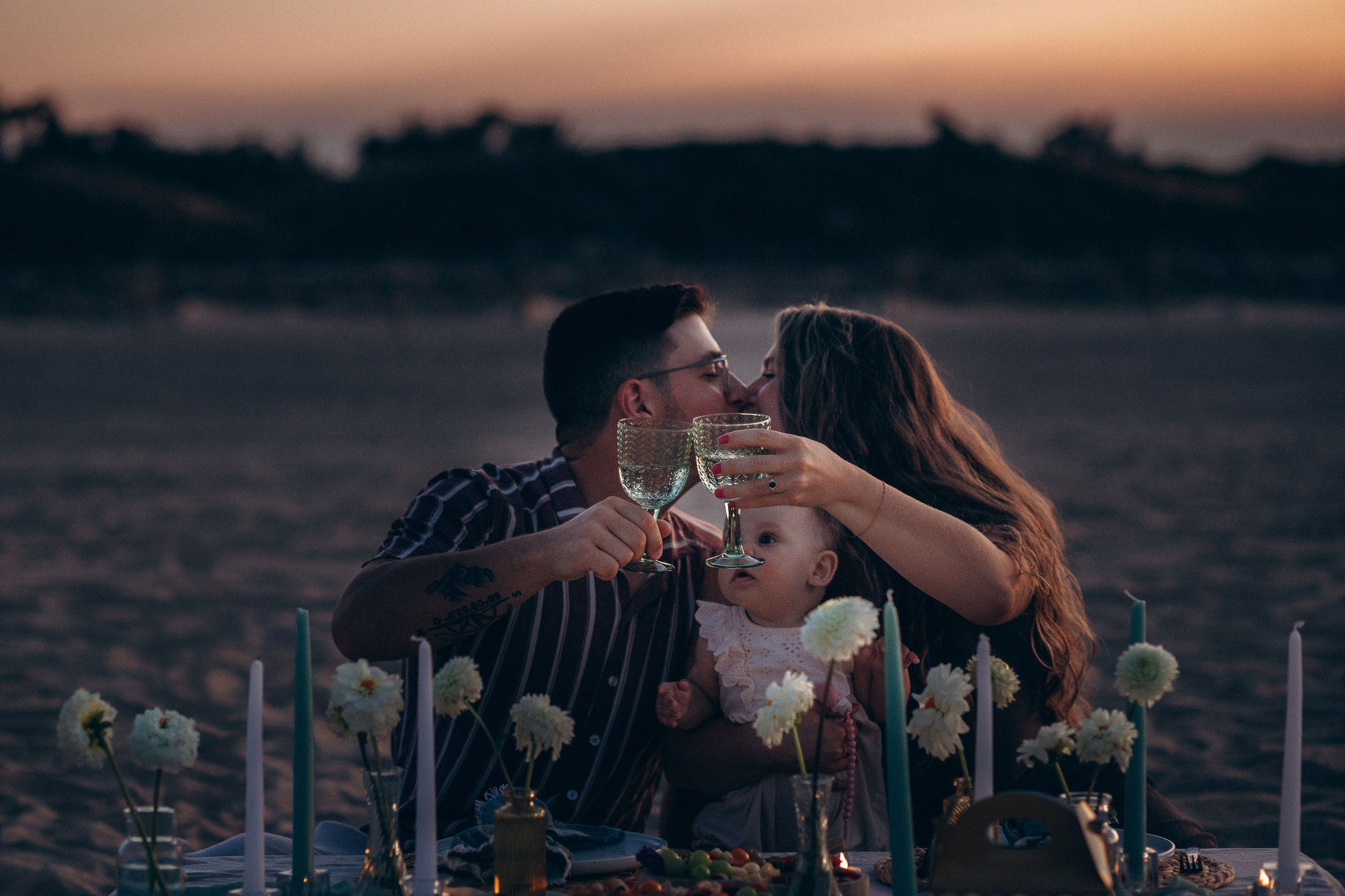
How to Plan a Destination Wedding in Alicante
Step 1: Choose Your Wedding Style (Elopement or Full Wedding)
Start here. Elopement? Intimate gathering? Full wedding? This decision shapes everything that follows. Venue selection. Timeline. Which vendors do you actually need? I have worked with couples who changed direction halfway through. They began planning a fifty-person wedding and then realized they wanted something small instead. Scaling down is easier than scaling up.
Step 2: Choose the Right Venue or Location
Costa Blanca is home to a variety of wedding locations, though not every location may be suitable for every couple. Cliff locations offer incredible views, though the wind can be a factor. Villages offer a more intimate location for the wedding ceremony, though the number of guests is limited.
Villas offer the most flexibility, though they require the most involvement from the couple. Also consider the age of those attending the wedding. For instance, older members of the family may not enjoy walking the cobblestone streets of Altea, while younger friends of the couple may prefer the beaches near Dénia.
Step 3: Hire Local Vendors
Local knowledge matters here. This comes in handy with, for instance, understanding wind patterns on the coast, knowing which venues have proper kitchen facilities, and having backup plans for the weather that actually function. Vendors who know the region understand timing nuances not obvious on paper, like how coves lose light an hour earlier than the main beach two kilometers away.
Step 4: Plan Travel and Guest Experience
The majority of guests will arrive at Alicante airport. The coastal towns are between 30 and 60 minutes from the airport. However, the inland venues will take more time to travel to the towns. Ensure that the guest experience includes time to travel to the accommodation. For the comfort of the guests, especially in the summer months, ensure that the welcome bags include water and sunscreen. Include instructions on dress codes and footwear when the guests receive the invitations. I have seen weddings where the guests showed up in heels at wedding venues with gravel paths. Please ensure that this does not occur for the comfort of all the guests. Gravel and heels do not mix.
Step 5: Build a Realistic Timeline
Light drives the schedule. The best time of day to hold ceremonies is during the late afternoon and early evening hours. Allow time for travel, wind adjustments, and the transition into and out of the ceremony grounds. Always add fifteen minutes to travel times. Some routes take longer than you could imagine.
How Much Does a Wedding in Alicante & Costa Blanca Cost?
There is no fixed range. The cost starts at €5,000 but can go over €50,000. Most couples choose somewhere in the middle. A wedding for 60 to 80 people will cost between €15,000 and €30,000. Costa Blanca is cheaper than regions like Barcelona, but is similar or slightly higher than Valencia, depending on location.
Venues & Villas
Beachfront properties and restored fincas with views command higher prices, especially during peak season. The interior properties and the smaller, family-run inns offer a more personal experience for guests and typically charge less for their accommodations. You might discover a hidden gem in a village costing half what coastal venues charge.
Photography
Elopements require two to four hours. Small weddings need half-day or full-day coverage, depending on the timeline. Mid-size weddings typically need full-day coverage with second shooters added.
Catering
The value of Spanish catering is excellent compared with, say, the prices of Northern Europe or the United States. A seated dinner with wine is typically between €60 and €120 per person. Open bars accumulate quickly, though guests certainly appreciate them.
Accommodation
Villas with multiple bedrooms suit smaller weddings. Hotels and apartment blocks work better for larger guest lists. Book early for summer peak season.
Hidden Costs
Budget for elements people rarely discuss. These may include translation services, if necessary, extra days for you and your planner to travel around, and currency fluctuations if you are paying for the trip from abroad. These can arise at the worst of times. You do not need to spend a fortune on a beautiful wedding here. But you do need to know where you want that money directed.
Example Budgets
Elopement (2 to 10
guests)
Photography costs less for elopements. Two to four hours cover the event. Choose a beach, a cliff, or a small villa. Catering remains simple. A private dinner somewhere nice suffices. The total range stays modest. A beautiful elopement here runs well under €5,000.
Small Wedding (10 to 30 guests)
You will need a villa or boutique finca. Somewhere with space for the ceremony and a table long enough for everyone. Catering becomes a seated dinner, wine included. Photography can be half a day or a full day. Depends on your timeline. The total range falls around €15,000 to €25,000.
Mid-Size Wedding (30 to 80 guests)
Full venue rental becomes necessary at this size. Catering requires extended service, more staff, and longer hours. Floral design and lighting matter more because spaces grow larger. A planner helps at this stage. Not required, though recommended. The total range is around €25,000 to €45,000. Set the budget early, before the venue ends up defining most of it for you.
Legal Requirements for Getting Married in Alicante
Civil Ceremonies
While civil ceremonies are legally binding, the process is rarely straightforward, especially for couples who are from other countries. There are several steps involved in the legal ceremony, and each takes time to complete. The paperwork is immense, while translations, apostilles, and residency requirements also demand a significant amount of attention. For many couples coming from abroad, this route often ends up feeling drawn out.
Symbolic ceremonies
Most of my destination couples pick this. Marry legally back home. Fly to Spain for the celebration. Same vows, same rings, same weight. Zero bureaucracy that day. Just show up and say I do. Symbolic weddings free you up as location, timing, and structure are all in your control. For Alicante, it is the smoother road. Most couples I work with go this way.
Real Tips from a Wedding Photographer in Alicante
Best light conditions, Wind, Travel Time, and Coverage
Midday summer sun is brutal. It is better to schedule events for the golden hour when the light falls spectacularly on all that you hold dear. The wind, on the other hand, will never stop at the possibility of your next event. It may be lovely to witness the effect it can have on your veils and flowers, but expect it to require some preparation prior to event day. Pin your hair and prepare backup plans. Add some buffer time to all your scheduled events and allow for enough photography time for a decent amount of coverage.
Destination Wedding Timeline
12 Months Before
Lock down the venue and the big vendors. Photographer. Caterer. Anyone you cannot imagine the day without. Do not wait longer than that unless you are okay with second-best options.
6 Months Before
Now you get into the details. Finalizing catering choices. Confirming photography coverage hours. Nailing down the styling direction. Flowers. Colors. These little things make the wedding feel like yours instead of a catalog.
3 Months Before
Three months out, you are in timeline mode. Sit down with your vendors to map out the day. Who needs to be where? What are the guest logistics? How do they get from the ceremony to the dinner without half the family wandering off to the old town?
One Week Before
One week before, you should already be in Spain. Walk your locations. See how the light falls within and around your venue. Adjust if you need to. Check the weather and have that backup chat with your planner. Things can change while you are en route. The coast can be fickle, as the weather can change. Worst still, a guest might show up on your flight schedule at the last minute. The best timelines are not the most detailed ones. They are the ones leaving room for things to change without falling apart. Adaptation over control. Every time.
FAQ Section
Is Alicante good for a destination wedding?
Alicante works well for destination weddings. Good weather, diverse locations, and better value than Barcelona. The best wedding locations in Costa Blanca include cliff viewpoints, Altea old town, Jávea coves, Dénia beaches, and private villas.
How much does a wedding in Alicante cost?
Wedding costs in Alicante vary. Small elopements run under €5,000. Bigger weddings go into five figures.
Can foreigners get married in Alicante?
Foreigners can get married in Spain, but most skip the paperwork and do a symbolic ceremony here. Handle the legal part at home, where there is minimal hassle.
What is the best month to get married in Valencia?
The best time to marry on the Costa Blanca is May, June, September, and October.
Do I need a wedding planner in Valencia?
Wedding planners help with larger weddings. For small elopements, you can usually manage on your own.
Conclusion
Alicante and Costa Blanca are two of the best hidden gems in Spain. These regions feature beauty, intimacy, wonderful light, and variety in their destinations without the hassle. They care for their destinations more for simplicity and the best time of year to enjoy the various attractions, rather than throwing money at everything. Your wedding will feel natural and scenic along this coastline. If you are dreaming of having your destination wedding in Alicante and would like to have timeless photos, feel free to reach out to us! Competing with tourists does not happen; it is all about you, your guests, and the Mediterranean. Let me guide you through the process.

16 Beautiful Wedding Venues in Valencia and Costa Blanca: A Photographer’s Guide
